Breandán wrote:
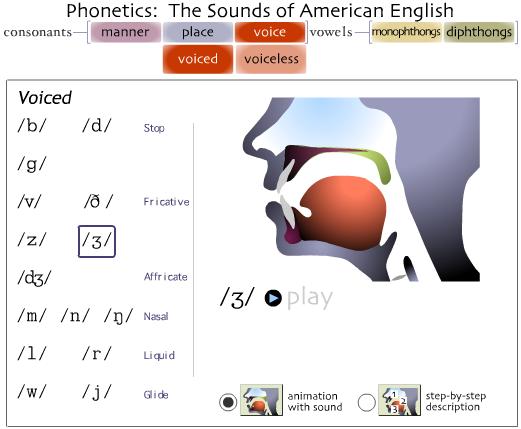
Back to the original question, what about just using [ʒ]?
Some dialects, especially the extinct ones had [ʒ] for slender r. I know they don't use that sound in Munster. In Munster it has two realisations:
[ɾʲ] - after other slender consonants.
[ɹ̝ʲ] - in all other circumstances, this is the buzzing sound, at least according to Gaeilge Chorca Dhuibhne as posted by Lughaidh.
Quote:
Yes, that's the sound we are talking about, franc. [ʒ] (s in pleasure) seems like a good fit but perhaps the /r´/ is lighter (or am I overthinking it). Is it different in Munster, a Loin Dhuibh?
At the beginning I used to overdo the slender r sound (for Munster) and Cork speakers would ask me if I spent time in Conamara, so it probably is different, to my ears (but I have a useless ear), they sound different in the two provinces. It's stronger in Conamara, so it could be [ʒ].
Quote:
How do [ɼ(j)] and [ɾ̝(j)] differ?
That's basically what I'm wondering, I've never seen slender r transcribed outside Gaeilge Chorca Dhuibhne, except on a mailing list where somebody used [ɼ
(j)], so I'm not sure what the sound "really" is in the IPA.
Quote:
There's that word - amaireach - (as opposed to amárach of course) which I'm never quite sure how to pronounce properly. Which one of your slender 'r's that you're referring to, is that one, I wonder?
The buzzing one. Basically, in Munster Irish at any rate, there are two sounds for slender r. A tap like sound, but with the front of your tongue raised and then this "buzzing" sound.

 Login
Login Register
 FAQ
FAQ Search



 There is only 3:48 in that recording.
 sorry forgot to post the link:
 .
.